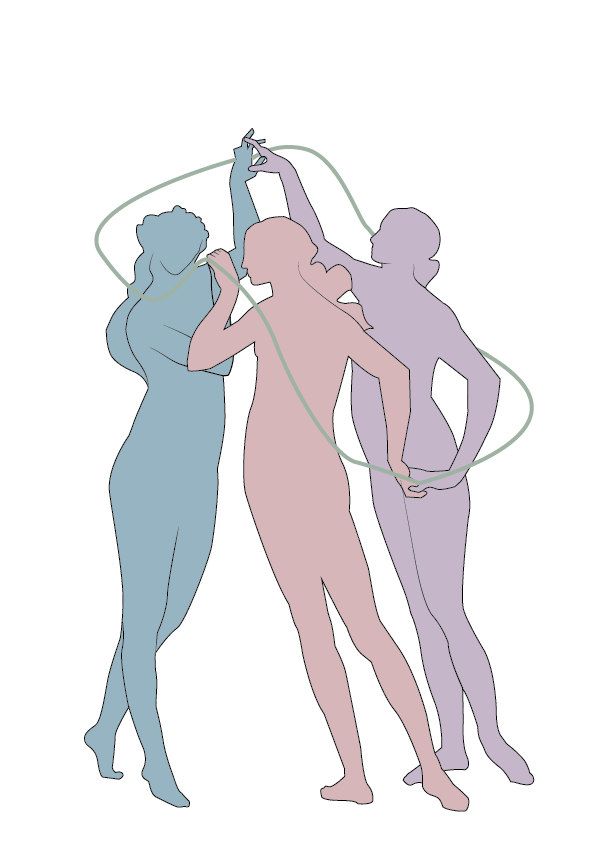
Dance Movement Psychotherapy is for everyone, but some people may find it particularly beneficial.
Children
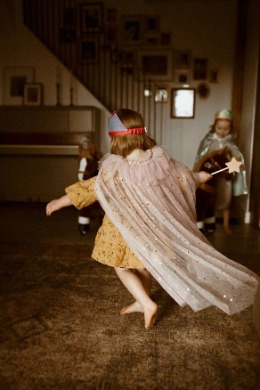
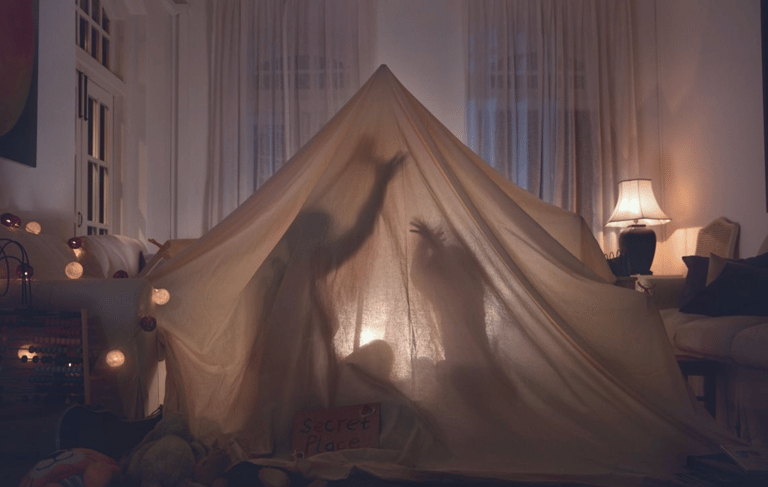
Dance Movement Psychotherapy is particularly suited to children, as it uses a multimodal approach incorporating elements of play, art, drama, and music therapy. Through creative and natural forms of expression, children can safely explore and process emotions and experiences.


Those who overanalyse
For people who feel they have talked about the same issue many times without meaningful change, movement offers a different entry point. Through embodiment, understanding moves beyond thinking and becomes something that is fully experienced.
Those who struggle to find words
For individuals who find it difficult to express themselves verbally—such as those on the autism spectrum, with selective mutism, or with general difficulties in speech—this approach offers a way to communicate without words. Expression happens through the body and movement.



Autoimmune conditions, cancer & chronic illness
Physical illness can create a sense of disconnection from the body. Dance Movement Psychotherapy supports a gentle reconnection and integration of body and self in a safe and supportive way.
Autism Spectrum & ADHD
Neurodivergent individuals can particularly benefit, as an embodied approach supports the processing of experiences and the development of self-regulation. Therapy offers a supportive space to connect with the body and emotions.


Postpartum depression & anxiety
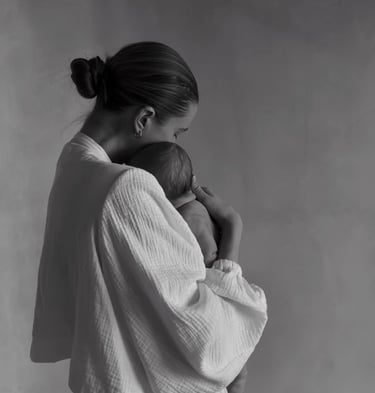
This approach can support mothers through embodied experience, while also nurturing a non-verbal, emotional connection with their baby. It creates space for care, bonding, and gradual reconnection with the body.
Eating disorders
Working through the body makes Dance Movement Psychotherapy uniquely suited to supporting eating disorders, helping to rebuild a relationship with the body. Through movement, greater acceptance, awareness, and self-care can develop.


Trauma
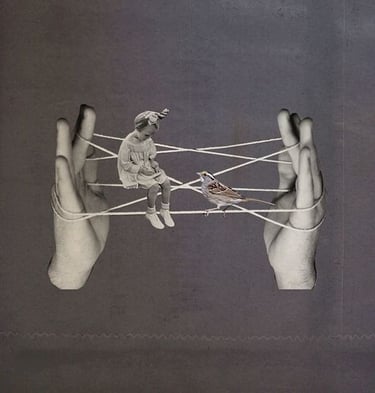
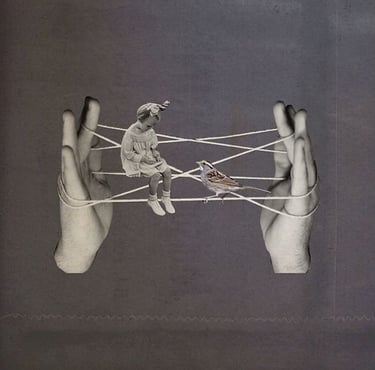
Dance Movement Psychotherapy can support individuals who have experienced trauma, as it works with the body, where these experiences are often held. Through gentle, safe movement and embodied awareness, it allows for gradual processing, a strengthened sense of safety, and a reconnection with the self.
Contact
ealia.meletsy@gmail.com
6971599882